
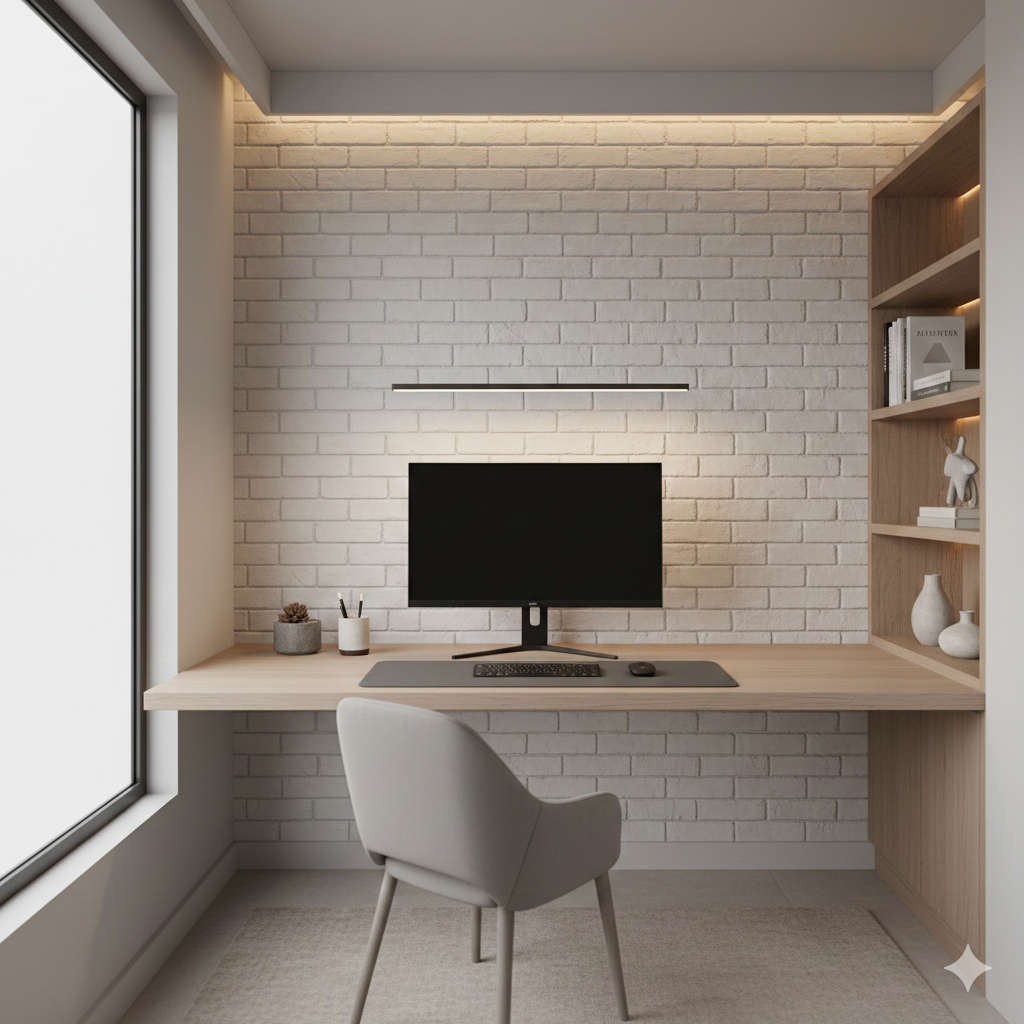
Lighting has a quiet but powerful influence on how a small office functions. It affects how clearly people see, how comfortable they feel throughout the day, how productive they are, and even how professional the space appears to clients or visitors. Despite this, lighting is often treated as an afterthought in small offices. Furniture gets prioritized, technology gets upgraded, and lighting is left to whatever fixtures happen to be available.
This approach leads to a wide range of problems—eye strain, headaches, low energy levels, wasted electricity, and an environment that simply does not feel good to work in. Small offices face unique challenges: limited space, fewer windows, tight budgets, and multi-purpose layouts. These factors make smart lighting choices even more important.
This guide walks through the most common small office lighting mistakes, explains why they happen, and offers practical, realistic solutions. Whether you are setting up a home office, managing a small team, or redesigning a compact commercial workspace, this article will help you create lighting that supports both people and performance.
Relying on One Light to Do Everything
One of the most common mistakes in small offices is using a single overhead light as the only source of illumination. While this may technically light the room, it rarely provides the quality of lighting needed for focused work.
A single ceiling fixture often creates uneven brightness. Some areas end up overly bright while others fall into shadow. Desks, shelves, and corners may be poorly lit, forcing the eyes to constantly adjust. Over time, this can cause fatigue and discomfort.
Why Single-Source Lighting Fails
- It creates harsh shadows on work surfaces
- It does not adapt to different tasks
- It offers no depth or visual comfort
A Better Lighting Strategy
Small offices benefit greatly from layered lighting, which includes:
- Ambient lighting for general illumination
- Task lighting for desks and focused work
- Supplementary or accent lighting to soften the space
Layered lighting distributes brightness evenly and makes the office feel more intentional and comfortable.
Blocking or Wasting Natural Daylight
Natural light is one of the most valuable resources in any workspace, especially in a small office. Unfortunately, it is often poorly used or completely wasted.
Desks are placed in ways that cause glare on screens. Windows are covered with heavy curtains. Furniture blocks sunlight from spreading into the room. All of these choices reduce the benefits of daylight.
Why Natural Light Matters in a Small Office
Natural daylight helps regulate sleep cycles, improves mood, and supports concentration. People who work in naturally lit environments often feel more alert and less stressed.
Common Daylight Mistakes
- Sitting directly in front of or behind a window
- Using dark or opaque window coverings
- Ignoring how sunlight changes throughout the day
How to Use Natural Light More Effectively
- Place desks perpendicular to windows
- Use sheer or adjustable blinds to control brightness
- Keep window areas uncluttered
Even limited daylight can make a noticeable difference when it is allowed to spread naturally.
Choosing the Wrong Color Temperature for Work
Color temperature has a major impact on how a space feels. It influences alertness, comfort, and visual clarity. Many small offices use lighting that is far too warm or excessively cool without realizing the consequences.
Warm yellow lighting may feel cozy, but it often makes people feel sleepy and unfocused. Extremely cool or bluish lighting can feel harsh and uncomfortable, especially over long workdays.
Understanding Color Temperature
- Warm light creates a relaxed atmosphere
- Neutral light balances comfort and clarity
- Cool light promotes alertness and focus
Ideal Color Temperature for Small Offices
Most workspaces perform best with lighting in the neutral-to-cool range, which supports productivity without feeling clinical. Consistency is key. Mixing different color temperatures within a small room can feel visually chaotic and distracting.
Poor Desk Lighting Placement
Even when task lighting is present, it is often positioned incorrectly. This is especially common in home offices where desk lamps are added without much thought.
Improper placement can cause glare, cast shadows across work surfaces, or shine directly into the eyes. Over time, this leads to eye strain, neck tension, and reduced focus.
Common Desk Lighting Errors
- Lamps placed directly in front of the user
- Light sources behind the body, creating shadows
- Fixed lamps with no adjustability
How to Position Desk Lighting Correctly
- Place the lamp on the opposite side of your dominant hand
- Aim light toward the work surface, not the eyes
- Use adjustable arms or heads for flexibility
Good task lighting should feel supportive, not intrusive.
Ignoring Glare and Screen Reflections
Glare is one of the biggest comfort issues in small offices, especially those with computer-based work. It often comes from uncovered bulbs, poorly placed fixtures, or reflective surfaces.
Glare forces the eyes to work harder, which can quickly lead to headaches and fatigue. In small spaces, glare problems are magnified because there is less room to reposition lights or furniture.
Common Sources of Glare
- Exposed bulbs or overly bright fixtures
- Lights positioned directly above monitors
- Glossy desks, glass surfaces, or shiny walls
Reducing Glare in a Small Office
- Use diffused or shaded fixtures
- Angle lights to avoid screen reflections
- Choose matte finishes for furniture and surfaces
Reducing glare dramatically improves visual comfort and concentration.
Using Decorative or Residential Lighting for Work
Small offices, especially home-based ones, often rely on decorative or residential lighting fixtures. While these may look attractive, they are rarely designed for extended periods of focused work.
Residential lighting tends to emphasize mood rather than function. As a result, it may lack sufficient brightness, proper direction, or suitable color temperature for office tasks.
Why Workspaces Need Purpose-Built Lighting
Office lighting is designed to:
- Support long hours of visual focus
- Reduce eye fatigue
- Provide consistent illumination
This does not mean the office has to feel industrial or unattractive. Many modern office-grade fixtures are both functional and visually appealing.
Forgetting About Lighting Flexibility
Another major mistake is installing lighting that cannot be adjusted. Fixed brightness levels and rigid fixtures limit how well a space can adapt to different needs.
Small offices often serve multiple purposes: focused work, virtual meetings, paperwork, creative tasks, or collaborative discussions. Each of these benefits from slightly different lighting conditions.
Problems Caused by Inflexible Lighting
- Discomfort during long work sessions
- Inability to adapt to changing daylight
- Unnecessary energy usage
Ways to Add Lighting Flexibility
- Use dimmers for overhead lights
- Choose adjustable desk lamps
- Consider smart lighting controls
Flexible lighting allows the office to support both productivity and comfort throughout the day.
Neglecting Secondary and Storage Areas
In small offices, attention is usually focused on the main desk area. Storage zones, shelves, printers, and filing cabinets are often left poorly lit.
This creates minor but frequent frustrations. Searching for documents becomes harder. Walking through dim areas feels uncomfortable. Productivity suffers in small but noticeable ways.
Improving Lighting Beyond the Desk
- Add small lights to shelves or cabinets
- Ensure walkways are evenly illuminated
- Use focused lighting for storage walls
Good lighting should support the entire workflow, not just the primary workstation.
Over-Lighting or Under-Lighting the Space
Many small offices struggle to find the right balance between brightness and comfort. Some spaces are flooded with light to the point of discomfort, while others remain dim and tiring.
Over-lighting creates harsh environments and wastes energy. Under-lighting makes tasks harder and encourages poor posture as people lean closer to their work.
Finding the Right Balance
- Combine ambient and task lighting instead of increasing brightness everywhere
- Test lighting at different times of day
- Adjust lighting based on the type of work being done
Balanced lighting feels natural and effortless.
Ignoring Energy Efficiency and Heat
Lighting choices affect not only visibility but also energy consumption and heat levels. In small offices, inefficient lighting can quickly raise electricity costs and make the space uncomfortable.
Older lighting technologies generate excess heat, which increases cooling needs. This is especially noticeable in compact rooms.
Smarter Energy Choices
- Use LED lighting throughout the office
- Choose long-lasting, energy-efficient fixtures
- Turn off lights in unused areas
Efficient lighting reduces costs while improving comfort and sustainability.
Overlooking the Emotional Impact of Lighting
Lighting shapes how people feel in a space. Dim, uneven, or harsh lighting can make an office feel draining or stressful, even if the layout is functional.
In contrast, well-planned lighting creates a sense of calm, focus, and professionalism. This emotional response plays a major role in long-term productivity and satisfaction.
Creating a Positive Lighting Atmosphere
- Avoid extreme contrasts between bright and dark areas
- Use indirect lighting to soften the environment
- Maintain consistency throughout the space
A well-lit office supports both mental and physical well-being.
Treating Lighting as an Afterthought
Perhaps the most costly mistake is addressing lighting only after everything else is in place. When lighting is added last, options become limited and compromises are inevitable.
Poor planning leads to awkward fixture placement, increased glare, and expensive retrofits.
Why Early Planning Matters
Lighting should be considered alongside:
- Desk and furniture placement
- Power outlet locations
- Storage and movement paths
Even simple planning can prevent most lighting-related problems.
Practical Lighting Tips for Small Offices
To summarize the most effective strategies:
- Use layered lighting instead of one main fixture
- Prioritize natural light wherever possible
- Choose appropriate color temperatures for work
- Position task lighting carefully
- Minimize glare and reflections
- Use flexible and energy-efficient solutions
Small improvements can create noticeable results.
Final Thoughts: Lighting Is a Long-Term Investment
Lighting is not just a technical requirement—it is a long-term investment in comfort, health, and productivity. In a small office, where every square meter matters, lighting choices have an even greater impact.
Avoiding common lighting mistakes does not require a large budget or professional design team. It requires awareness, planning, and thoughtful selection. When lighting works well, it fades into the background, quietly supporting every task and interaction.
A well-lit small office feels easier to work in, easier to focus in, and more enjoyable to spend time in. Over the long run, that difference adds up—both for individuals and for businesses.