
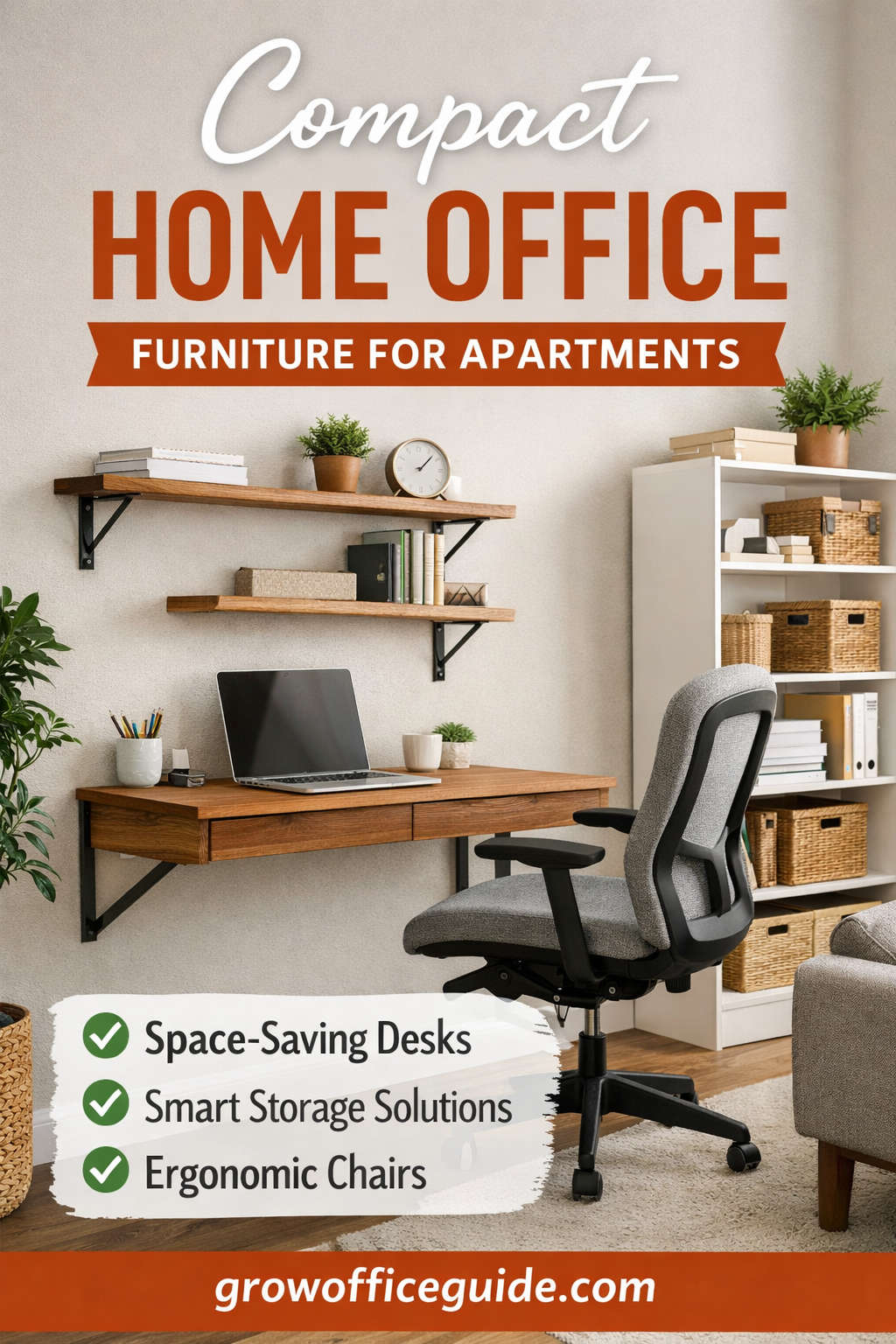
Living in an apartment often means making thoughtful decisions about how every square foot is used. As remote work, freelancing, online learning, and hybrid schedules become part of everyday life, the need for a functional home office has grown rapidly—even in small apartments where space is already at a premium. This is where compact home office furniture becomes essential rather than optional.
Compact home office furniture is not simply about downsizing. It is about designing smarter, choosing pieces that combine comfort, functionality, and aesthetics while fitting seamlessly into limited living spaces. With the right approach, even a small corner, alcove, or unused wall can be transformed into a productive and visually pleasing workspace.
This guide explores how apartment dwellers can create efficient home offices using compact furniture solutions. From understanding space limitations to selecting ergonomic seating, storage, layouts, lighting, and materials, this article offers practical advice to help readers build a workspace that truly works for them.
Why Compact Home Office Furniture Matters in Apartments
Apartments are designed primarily for living, not working. Bedrooms, living rooms, and kitchens are often multi-purpose spaces, and very few apartments include a dedicated office room. As a result, home offices must adapt to existing layouts rather than the other way around.
Compact home office furniture addresses several challenges unique to apartment living:
- Limited floor space
- Shared living and working areas
- Open-plan layouts
- Storage constraints
- The need for visual harmony with home décor
Without compact and well-designed furniture, a home office can quickly feel cramped, cluttered, or intrusive. The right furniture allows residents to work comfortably while preserving the openness and balance of their living environment.
Understanding Apartment Space Limitations
Before choosing furniture, it is essential to understand the spatial realities of apartment living. Most apartments fall into one of the following categories:
- Studio apartments
- One-bedroom apartments
- Small multi-bedroom units
- Loft-style or open-plan layouts
Each layout presents different challenges. Studios require furniture that can disappear or blend in. One-bedroom apartments often rely on corners or bedroom walls for office setups. Open-plan spaces demand furniture that complements shared living areas rather than disrupting them.
In apartments, space limitations are not only about square footage. Ceiling height, window placement, electrical outlets, and traffic flow all influence furniture choices. A desk that technically fits may still feel overwhelming if it blocks light or interrupts movement.
Compact furniture is designed to work within these constraints by reducing visual bulk, using vertical space, and offering flexibility in how and when it is used.
Core Principles of Compact Home Office Furniture Design
Effective compact home office furniture follows several key principles that distinguish it from traditional office setups.
Multi-Functionality
In apartments, furniture should do more than one job whenever possible. A desk might include built-in shelving. A cabinet may double as a printer stand. A console table can function as both a workspace and a decorative surface.
Multi-functional furniture reduces the total number of pieces needed, keeping the space open and uncluttered.
Minimal Footprint
Compact furniture focuses on efficient proportions rather than simply shrinking everything. A well-designed compact desk offers enough surface area to work comfortably while avoiding unnecessary depth or width.
Slim legs, open bases, and lightweight materials contribute to a sense of openness even in tight areas.
Vertical Space Utilization
When floor space is limited, vertical space becomes valuable. Wall-mounted desks, shelves, pegboards, and overhead cabinets allow storage and organization without expanding the footprint.
Vertical solutions are particularly effective in apartments with higher ceilings or unused wall sections.
Visual Lightness
Compact furniture often uses lighter colors, simple lines, and open structures. These elements help prevent small spaces from feeling heavy or overcrowded.
Glass, light wood tones, metal frames, and neutral finishes are commonly used to maintain visual balance.
Ergonomic Integrity
Small should never mean uncomfortable. Compact home office furniture must still support healthy posture, proper screen height, and adequate legroom. Ergonomics remain essential regardless of space limitations.
Choosing the Right Compact Desk for an Apartment
The desk is the foundation of any home office, and in an apartment, choosing the right desk is one of the most important decisions.
Writing Desks and Slim Desks
Slim writing desks are among the most popular choices for apartments. They typically have a shallow depth and a clean design, making them ideal for laptops, notebooks, and light desktop use.
These desks work well in bedrooms, living rooms, or even hallways where space is limited.
Corner Desks
Corner desks make efficient use of often-overlooked areas. By fitting into corners, they free up central floor space and create a defined workspace without dominating the room.
Compact corner desks are particularly useful in bedrooms or shared living spaces where boundaries need to be subtle.
Wall-Mounted and Floating Desks
Wall-mounted desks are excellent solutions for very small apartments. These desks attach directly to the wall and may fold down when needed.
Floating desks visually lighten the space by eliminating legs, making rooms feel larger and more open. They are ideal for minimal work setups and occasional use.
Fold-Away and Convertible Desks
Fold-away desks can be tucked away when not in use, making them perfect for studios or shared spaces. Some fold into cabinets or shelving units, while others collapse into slim profiles against the wall.
Convertible desks serve multiple purposes, such as transforming from a desk into a dining table or console. These designs are especially valuable in apartments where one piece of furniture must serve several roles.
Storage Solutions That Work in Small Home Offices
Storage is one of the biggest challenges in apartment home offices. Without proper storage, even a compact workspace can quickly become cluttered.
Wall Shelving
Wall shelves provide storage without taking up floor space. They can be placed above or beside the desk to store books, office supplies, or decorative items.
Adjustable shelving systems allow flexibility as needs change.
Under-Desk Storage
Compact drawer units or rolling cabinets fit neatly under desks, keeping essentials within reach while remaining out of sight.
Under-desk storage is ideal for files, electronics, and supplies that need to be accessible but not visible.
Modular Storage Units
Modular storage allows users to customize their setup. Units can be stacked, rearranged, or expanded over time.
This flexibility is particularly useful for renters who may move or reconfigure their space frequently.
Vertical Cabinets and Slim Bookcases
Tall, narrow cabinets make use of vertical space without overwhelming the room. They are ideal for storing documents, office equipment, and personal items.
Slim bookcases can double as room dividers in open-plan apartments, subtly separating work and living areas.
Selecting an Ergonomic Chair for Limited Space
The chair is just as important as the desk, especially for those who work long hours. In apartments, the challenge is finding a chair that offers proper support without taking up too much room.
Compact Ergonomic Chairs
Compact ergonomic chairs are designed with smaller proportions while maintaining essential features such as lumbar support, adjustable height, and comfortable cushioning.
These chairs fit easily under desks and do not dominate the room visually.
Armless Chairs
Armless chairs are a popular choice for small spaces. Without arms, they slide fully under the desk, reducing visual clutter and saving space.
They are particularly useful for narrow desks or tight layouts.
Foldable and Stackable Chairs
For occasional work setups, foldable or stackable chairs provide flexibility. They can be stored away when not in use, freeing up valuable floor space.
While not ideal for full-time work, they are practical solutions for short sessions or secondary work areas.
Planning the Layout of a Compact Home Office
A successful compact home office depends as much on layout as it does on furniture.
Identify Underused Areas
Common locations for apartment home offices include:
- Corners of living rooms or bedrooms
- Alcoves or recessed walls
- Behind sofas
- Closets converted into workspaces
- Near windows for natural light
Identifying underused areas helps integrate the workspace without disrupting daily life.
Maintain Clear Circulation
Furniture should never block walkways or doorways. Maintaining clear circulation makes the apartment feel more spacious and functional.
Even a few inches of clearance can significantly improve comfort and usability.
Balance Work and Living Zones
In shared spaces, visual balance is important. Furniture should complement existing décor rather than clash with it.
Using similar materials, colors, or finishes helps the home office blend seamlessly into the room.
Lighting Solutions for Small Apartment Offices
Lighting plays a critical role in productivity and comfort, especially in compact spaces.
Natural Light
Positioning the desk near a window reduces eye strain and improves mood. Natural light also makes small spaces feel larger and more inviting.
Task Lighting
A focused desk lamp provides direct light for work without illuminating the entire room. Adjustable lamps offer flexibility for different tasks and times of day.
Ambient Lighting
Soft ambient lighting helps balance the workspace and prevent harsh contrasts. Wall-mounted lights or floor lamps can enhance the overall atmosphere without taking up desk space.
Managing Technology and Cables in Small Spaces
Technology can easily overwhelm a compact workspace if not managed carefully.
Cable Management
Cable trays, clips, and sleeves keep wires organized and out of sight. Mounting power strips under the desk or along walls reduces floor clutter.
Space-Saving Accessories
Monitor arms free up desk surface and allow better screen positioning. Wireless keyboards, mice, and charging solutions reduce cable clutter.
Docking stations consolidate connections, making it easier to switch between devices.
Budget-Friendly Compact Home Office Solutions
Creating a compact home office does not require a large budget.
Smart Budget Strategies
- Choose simple desks with clean designs
- Repurpose existing furniture
- Use wall shelves instead of cabinets
- Buy modular pieces that can grow over time
Flat-pack and ready-to-assemble furniture often offers excellent value while meeting space requirements.
When to Invest More
Certain items are worth a higher investment, especially if the home office is used daily. Ergonomic chairs, durable desks, and adjustable work surfaces can significantly improve comfort and long-term health.
Sustainability and Material Considerations
Many apartment dwellers are increasingly conscious of sustainability when choosing furniture.
Sustainable Materials
Furniture made from responsibly sourced wood, recycled materials, or durable composites reduces environmental impact.
High-quality materials also last longer, reducing the need for frequent replacement.
Longevity and Flexibility
Choosing timeless designs and modular systems ensures furniture remains useful even if the apartment layout or work needs change.
This approach supports both sustainability and long-term value.
Creating a Comfortable and Inspiring Work Environment
Beyond furniture, the overall environment influences productivity and well-being.
Personalization Without Clutter
A few personal touches such as artwork, plants, or photos can make the workspace feel welcoming. The key is moderation to avoid overcrowding the space.
Color and Texture
Light, neutral colors help small spaces feel open. Natural textures like wood or fabric add warmth without visual heaviness.
Sound and Privacy
In apartments, noise can be a challenge. Soft furnishings, rugs, or acoustic panels can help reduce sound and create a more focused environment.
Final Thoughts on Compact Home Office Furniture for Apartments
Compact home office furniture is not about compromise—it is about thoughtful design and intentional choices. With the right furniture and layout, even the smallest apartment can support a productive, comfortable, and attractive workspace.
By focusing on multi-functionality, ergonomics, vertical storage, and visual balance, apartment dwellers can create home offices that enhance both their work and living experience.
A well-designed compact home office blends seamlessly into the home, supports daily tasks efficiently, and adapts to changing needs over time. With careful planning and smart furniture choices, limited space becomes an opportunity rather than a limitation.