
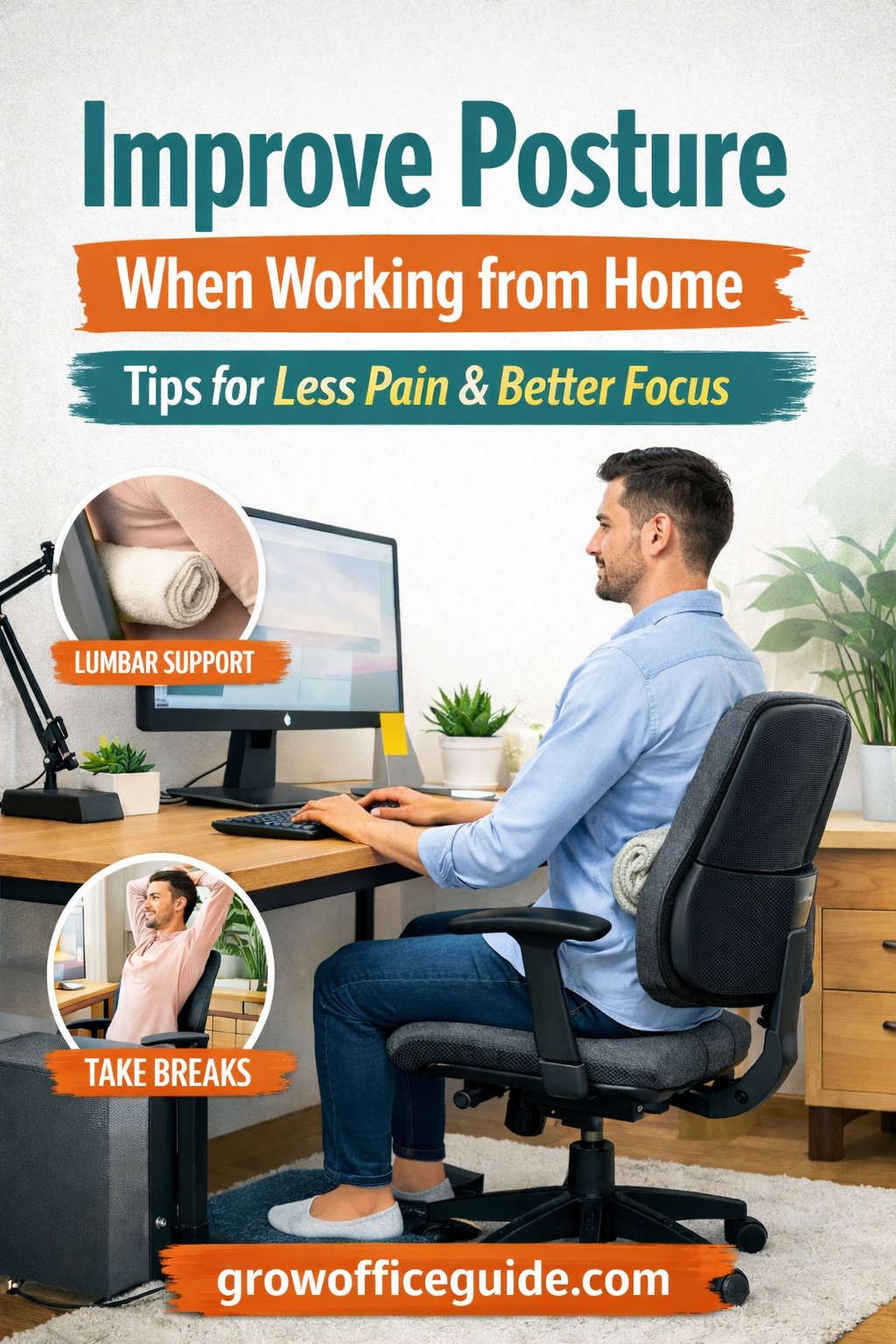
Working from home has transformed the way people approach their daily jobs. While remote work offers flexibility and comfort, it also introduces a quiet but serious problem that many people overlook until it becomes painful—poor posture. Sitting for long hours at home, often in non-ideal setups, can slowly strain the body, leading to discomfort, fatigue, and long-term health issues.
Unlike traditional offices, most home workspaces are not designed with ergonomics in mind. Kitchen chairs, couches, beds, and low tables may feel convenient, but they rarely support healthy posture. Over time, these habits can affect your spine, muscles, breathing, energy levels, and even your ability to focus.
The good news is that posture can be improved at any stage. You do not need expensive furniture or complicated routines. With awareness, small adjustments, and consistent habits, you can dramatically improve how your body feels while working from home. This guide explores everything you need to know about improving posture, reducing pain, and creating a healthier work-from-home routine.
Why Posture Matters More When You Work from Home
Posture refers to how you hold your body while sitting, standing, or moving. Good posture keeps the spine aligned, reduces stress on muscles and joints, and allows the body to function efficiently. Poor posture, on the other hand, forces muscles to work harder and places excess pressure on the spine.
When working from home, people tend to sit longer without breaks, lean closer to screens, and work in relaxed but harmful positions. Over time, this can lead to neck pain, shoulder tension, lower back discomfort, headaches, and stiffness.
Good posture supports proper breathing, circulation, and muscle balance. It helps reduce fatigue and improves concentration. When your body is comfortable and supported, your mind can focus better on tasks. Improving posture is not just about avoiding pain—it is about improving overall well-being and productivity.
Common Posture Problems in Home Workspaces
Understanding common posture mistakes is the first step toward fixing them. Many people unknowingly repeat these habits every day.
One of the most frequent issues is slouching. This occurs when the shoulders roll forward and the upper back curves excessively. Slouching compresses the chest, tightens the neck muscles, and strains the spine.
Another common problem is forward head posture. When the head leans forward toward a laptop or phone, the neck supports far more weight than it should. This leads to stiffness, pain, and reduced mobility over time.
Poor lower back support is also widespread. Sitting without lumbar support flattens the natural curve of the spine, causing strain in the lower back and hips.
Working from a bed or couch is another major contributor to posture problems. These surfaces do not provide firm support and encourage awkward positions that stress the neck and spine.
Finally, staying in one position for hours without movement causes muscle stiffness and imbalance, even if posture starts out correctly.
Understanding Neutral Posture and Spinal Alignment
Neutral posture is the body’s natural alignment where muscles and joints experience minimal strain. In this position, the spine maintains its natural curves, and the head, shoulders, and hips align vertically.
When sitting in neutral posture, your ears should be aligned over your shoulders, shoulders over hips, and feet flat on the floor. The back should feel supported, not forced upright or overly relaxed.
Neutral posture does not mean sitting stiffly or rigidly. The goal is comfort with balance. When your body is properly aligned, muscles can relax while still providing support.
Learning to recognize neutral posture helps you make quick adjustments throughout the day whenever you notice discomfort or tension.
Creating an Ergonomic Home Workspace Without Expensive Equipment
An ergonomic workspace supports your body’s natural posture and reduces strain. Even without professional office furniture, you can make meaningful improvements using what you already have.
Choosing a Supportive Chair
A good chair supports your lower back and allows you to sit with your feet flat on the floor. If your chair is too high, use a footrest or a stack of books. If it is too low, add a firm cushion to raise your sitting height.
The backrest should support the natural curve of your lower spine. If your chair lacks lumbar support, placing a rolled towel or small pillow behind your lower back can provide relief.
Sit fully back in the chair instead of perching on the edge. This allows your back to rest against the support and reduces muscle fatigue.
Adjusting Desk and Table Height
Your desk or table should allow your elbows to rest at roughly a right angle when typing. Shoulders should feel relaxed rather than lifted or slouched.
If your desk is too high, raise your chair and support your feet. If it is too low, elevate the work surface using stable objects.
Small height adjustments can significantly reduce shoulder and neck strain.
Positioning Your Screen Correctly
Your screen should be positioned so that the top of the display is at or slightly below eye level. This prevents excessive neck bending.
The screen should be about an arm’s length away from your eyes. If you use a laptop, elevating it with books or a stand and using an external keyboard and mouse can greatly improve posture.
Looking straight ahead rather than downward reduces pressure on the neck and upper back.
Keyboard and Mouse Placement
Your keyboard and mouse should be close enough that your elbows stay near your body. Wrists should remain straight and relaxed while typing.
Avoid resting wrists on sharp edges or hard surfaces for long periods. Keeping your hands and arms supported helps prevent tension and strain.
How to Sit Correctly Throughout the Workday
Correct sitting posture plays a major role in preventing discomfort. Sit with your back straight but relaxed, shoulders down and slightly back, and chin gently tucked.
Your hips should be slightly higher than your knees to support the natural curve of the spine. Distribute your weight evenly across both hips.
Keep both feet flat on the floor rather than crossing your legs for long periods. Crossing legs can cause muscle imbalance and circulation issues.
Remember that posture is dynamic. It is normal to shift positions, but returning to proper alignment regularly helps prevent strain.
Why Movement Is Essential for Healthy Posture
Even perfect posture becomes harmful if held for too long. The human body is designed for movement, not prolonged stillness.
Sitting for extended periods reduces blood circulation, tightens muscles, and increases joint stiffness. Regular movement keeps muscles flexible and joints healthy.
Aim to change position or move every 30 to 45 minutes. Stand up, stretch, walk around the room, or perform light movements.
Movement breaks help reduce fatigue, refresh the mind, and prevent posture-related pain. They also improve focus and creativity, making them beneficial for productivity as well.
Simple Daily Stretches to Relieve Posture-Related Tension
Stretching helps counteract the tight muscles caused by prolonged sitting. Incorporating simple stretches into your day can significantly improve comfort.
Neck stretches relieve tension caused by forward head posture. Gently tilt your head side to side and forward, holding each stretch briefly.
Chest-opening stretches help reverse rounded shoulders. Standing tall and gently opening the chest allows the shoulders to return to a more natural position.
Upper back stretches increase mobility and reduce stiffness. Slowly rounding and straightening the back while seated or standing can help.
Hip flexor stretches are especially important for people who sit frequently. Tight hips pull the pelvis forward, increasing lower back strain.
These stretches do not require much time. Even a few minutes spread throughout the day can make a noticeable difference.
Strengthening Muscles That Support Good Posture
Good posture relies on strong muscles, not constant effort. Strengthening key muscle groups helps your body naturally maintain alignment.
Core muscles support the spine and stabilize the torso. Gentle exercises like seated core engagement, leg lifts, or planks help build strength.
Upper back and shoulder muscles keep the shoulders from rounding forward. Simple pulling movements and posture-focused exercises improve balance and support.
Glute muscles play a critical role in pelvic stability. Weak glutes contribute to lower back discomfort and poor sitting posture.
Consistency matters more than intensity. Performing posture-strengthening exercises a few times a week can lead to long-term improvement.
Improving Posture While Using Laptops and Mobile Devices
Laptops and phones are major contributors to posture problems. Their design often encourages downward head positioning and rounded shoulders.
When using a laptop, avoid placing it on your lap or low surfaces. Elevate the screen and use external accessories when possible.
When using a phone, bring the device up to eye level rather than bending your head downward. This reduces strain on the neck and upper spine.
Limit prolonged device use and take breaks to stretch and reset your posture. Small changes in how you use technology can prevent chronic discomfort.
Sitting Versus Standing: Finding the Right Balance
Standing desks can reduce sitting time, but standing all day is not ideal either. Both sitting and standing require proper posture and balance.
When standing, distribute weight evenly, keep knees slightly bent, and avoid leaning on one leg. Maintain relaxed shoulders and a neutral spine.
Alternating between sitting and standing throughout the day provides the best results. Changing positions prevents stiffness and reduces muscle fatigue.
The key is variety. The more frequently you change posture, the healthier your body will feel.
Building Posture-Friendly Habits That Last
Posture improvement is not a one-time fix. It requires consistent habits that support your body daily.
Start each workday with a quick posture check. Adjust your chair, screen, and desk before beginning tasks.
Throughout the day, check in with your body. Notice tension, discomfort, or slouching and gently correct it.
End your workday with light stretching to release accumulated tension. This helps prevent stiffness from carrying over into the next day.
Over time, these habits become automatic, making good posture feel natural rather than forced.
The Connection Between Stress, Breathing, and Posture
Mental stress often shows up physically in the body. Tight shoulders, shallow breathing, and clenched muscles all affect posture.
Deep breathing helps relax muscles and encourages a more upright position. Taking a few slow breaths can instantly improve posture awareness.
Mindfulness techniques help you notice how stress influences your body during work. Awareness allows you to reset posture before tension builds up.
A calm mind supports a balanced, relaxed posture.
Signs Your Posture Is Improving
Posture improvement happens gradually, but there are clear signs that your efforts are working.
You may notice reduced neck and back pain, less stiffness, and improved comfort during long work sessions.
Breathing may feel easier, and fatigue may decrease. Your body may naturally return to better alignment without constant reminders.
These changes indicate that muscles are adapting and becoming stronger, supporting healthier posture naturally.
When Professional Help May Be Needed
If pain, numbness, or discomfort persists despite posture improvements, professional guidance may be helpful.
Physical therapists or posture specialists can assess alignment issues and provide personalized recommendations.
Addressing posture problems early prevents them from becoming long-term health issues.
Final Thoughts: Making Posture a Priority While Working from Home
Working from home offers freedom, but it also requires responsibility for your physical health. Posture plays a crucial role in how you feel, move, and perform each day.
You do not need perfection or expensive equipment. Small, consistent changes—better workspace setup, regular movement, stretching, and awareness—can create lasting improvements.
Your body supports you throughout every workday. By supporting your posture, you invest in comfort, productivity, and long-term well-being.
Start today by making one small adjustment. Over time, those adjustments will add up to a healthier, more comfortable work-from-home experience.