
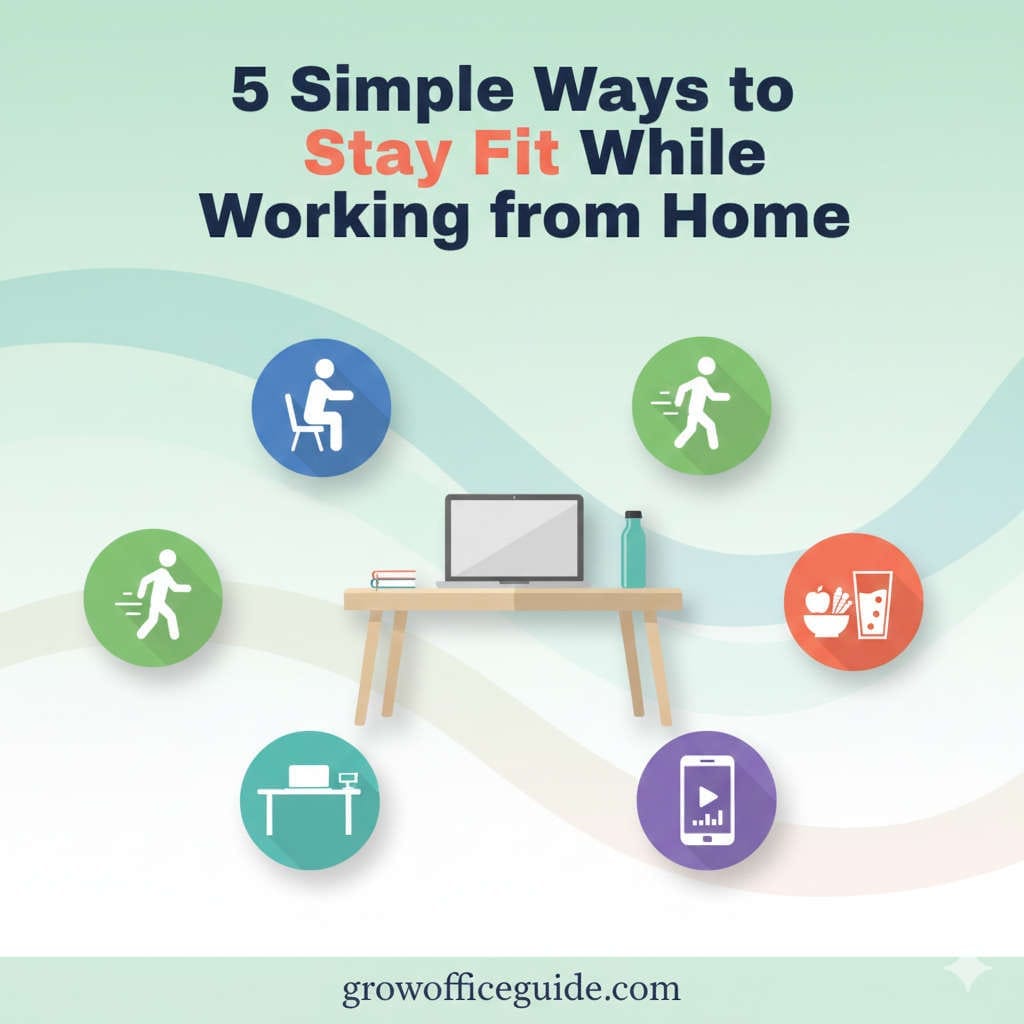
Working from home has transformed how we approach our daily lives, offering the freedom to skip the commute and design our own schedules. But let’s be honest—this convenience often comes at a cost to our physical health. Without the natural breaks of office life, like walking to meetings or chatting at the water cooler, it’s easy to spend hours hunched over a laptop, leading to sluggish energy, nagging back pain, and unwanted weight gain. If you’re like many remote workers, you might find yourself snacking more, moving less, and feeling the effects on both body and mind.
The good news? Staying fit doesn’t have to mean overhauling your entire day or investing in fancy equipment. It’s about weaving small, realistic habits into your routine that add up to big changes over time. In this in-depth guide, we’ll explore five straightforward strategies to help you maintain your fitness without stepping away from your productivity. Whether you’re a busy parent juggling calls and kids, a freelancer glued to deadlines, or someone just starting their remote journey, these tips are designed to be practical and adaptable. By the end, you’ll have actionable ideas to boost your energy, sharpen your focus, and feel more vibrant—even on the longest workdays. Let’s get moving!
Taking a quick stretch break to stay active during your workday
Way 1: Incorporate Short Movement Breaks Throughout Your Day
One of the biggest pitfalls of remote work is the endless sitting. You start with coffee at your desk, dive into emails, and before you know it, hours have passed without standing up. This lack of movement can stiffen your muscles, slow your metabolism, and even fog your brain. The solution? Build in regular movement breaks that refresh your body and mind without derailing your workflow.
Think of these breaks as mini resets. Set a timer on your phone or use a simple app to nudge you every 30 to 60 minutes. During that time, stand up and do something active for just a couple of minutes. For example, march in place with high knees to get your heart pumping—it’s like a quick jog without leaving your room. Or try gentle stretches: Roll your shoulders back, reach your arms overhead, or tilt your head side to side to ease neck tension from staring at screens.
If you’re on a call that doesn’t require video, pace around your living space while talking. This not only racks up steps but can spark better ideas, as light movement often clears mental blocks. For those with a bit more space, wander to another room to refill your water or do a lap around the kitchen island. Over the course of a day, these add up—aim for at least 10,000 steps without ever leaving home.
To make this habit stick, tie it to your existing routine. Stand after finishing a task, like sending a report, or link it to meal times. If distractions pull you away, start small: Just one break in the morning, then build from there. You might notice perks like less afternoon fatigue or improved posture almost immediately. And if you share your home with family, turn breaks into fun group activities—a quick dance party to your favorite song can lift everyone’s spirits while sneaking in some cardio.
Of course, challenges arise, like tight deadlines making breaks feel impossible. In those moments, opt for subtle moves: Wiggle your toes, clench and release your leg muscles, or shift your weight from side to side while seated. The key is consistency—over time, these pauses become automatic, helping you stay energized and avoid the burnout that plagues so many home-based workers.
Easy chair squats to strengthen your legs without leaving your workspace
Way 2: Try Easy Exercises Right at Your Desk
Who says you need a gym to build strength? Your workspace can be your personal fitness hub with exercises that are simple, discreet, and effective. These moves target common problem areas like your core, legs, and upper body, helping to counteract the effects of prolonged sitting without requiring any special gear.
Start with your lower body, which often bears the brunt of desk life. While sitting, lift one leg straight out in front of you, hold it for a few seconds, then lower it slowly. Alternate sides for a set of 10—this strengthens your thighs and engages your abs. For a bit more intensity, stand up and do air squats: Lower your body as if sitting into an invisible chair, keeping your knees behind your toes, then rise back up. It’s a fantastic way to tone your glutes and legs during a quick email check.
Don’t neglect your upper body. Squeeze your shoulder blades together like you’re trying to hold a pencil between them—hold for 10 seconds and release. This combats the slouch that comes from typing all day. Or lean against your desk for modified push-ups: Place your hands on the edge, step back, and lower your chest toward it before pushing away. If that’s too tough, do them against a wall instead.
For core stability, sneak in a plank during your lunch break. Get into a forearm position on the floor, keeping your body straight like a board, and hold for 20 to 60 seconds. Even facial exercises can help—smile widely while gently pressing your fingers against your cheeks for resistance, or look up and swallow to tighten your neck muscles. These might sound small, but they add up to better overall tone and reduced tension.
Schedule these into your day like appointments: Three sets per exercise, perhaps once in the morning, afternoon, and evening. Mix it up to keep things interesting—apps with short workout circuits can provide variety. You’ll likely feel more alert and less achy, with the added bonus of a mood boost from those feel-good endorphins. If you’re new to this, listen to your body and start slow to prevent strains. Over weeks, you’ll build endurance, making your remote setup feel less like a trap and more like an opportunity for self-care.
Optimizing your workspace with a standing desk for better activity
Way 3: Set Up Your Workspace to Encourage More Activity
Your home office environment can either trap you in inactivity or nudge you toward movement. By tweaking your setup thoughtfully, you create a space that supports fitness naturally, making it easier to stay active without extra effort.
A great starting point is alternating between sitting and standing. If possible, use a standing desk or prop your laptop on a stack of books to elevate it. Standing for parts of your day, like during routine tasks or non-video calls, burns more calories and improves blood flow. To make it comfortable, add a soft mat underfoot to cushion your feet and reduce fatigue.
For subtle engagement, swap your chair for a stability ball occasionally—it forces your core to work just to stay balanced. Or invest in an under-desk pedaler, a small device that lets you cycle lightly while working on reports. These tools turn passive time into active moments without pulling focus from your screen.
Dress for success too: Opt for comfy, flexible clothes in the morning, like yoga pants or sneakers, to remind yourself that movement is part of the plan. Keep workout shoes by your desk for impromptu walks to the mailbox or around the block during breaks. Pay attention to ergonomics as well—adjust your chair so your feet are flat on the floor, your screen at eye level, and your wrists straight. This prevents pain that might otherwise discourage activity.
Small additions like a foam roller nearby can encourage quick self-massage sessions to loosen tight spots. If space is tight, get creative: Use a doorway for stretches or a sturdy wall for balance exercises. The goal is to design a workspace that invites motion, leading to fewer aches, better concentration, and a sense of control over your health. Experiment with what feels right for you—maybe start with one change this week—and watch how it transforms your daily grind into something more dynamic.
Joining a virtual fitness class to stay motivated
Way 4: Connect with Online Fitness Groups and Handy Apps
Working remotely can feel isolating, which often zaps motivation for exercise. That’s where online communities and apps come in—they provide the structure, encouragement, and variety you need to keep going, all from the comfort of your home.
Dive into virtual classes on platforms offering yoga, Pilates, or dance sessions. Join live streams where instructors guide you in real-time, or follow on-demand videos tailored to short time slots. If you live with others, try partner routines like tandem stretches or family-friendly workouts that turn fitness into quality time.
Apps are game-changers for busy schedules. Look for ones with quick, no-equipment circuits—think seven-minute blasts of jumping jacks, lunges, and planks. For cardio lovers, indoor cycling tutorials or jump rope challenges can get your heart racing without much space. Even a mini trampoline session offers bouncy, joint-friendly fun.
These resources build accountability: Share progress in online forums, track streaks in apps, or buddy up with a virtual workout pal. You’ll stay consistent, discovering new moves that keep things fresh. Start with free options to test the waters, then commit to a routine that fits your energy levels. The social aspect combats loneliness, while the guidance ensures safe, effective sessions—ultimately making fitness feel less like a chore and more like a rewarding habit.
Keeping healthy snacks and water handy to fuel your day
Way 5: Prioritize Nutrition, Hydration, and Mindful Stress Relief
True fitness extends beyond movement—it’s fueled by what you eat, drink, and how you handle stress. In a home setup, temptations like the kitchen fridge are constant, so smart choices here amplify your efforts elsewhere.
Keep nourishing snacks within reach: Fresh fruits, nuts, or veggie sticks instead of chips. Prep simple meals like salads or smoothies in advance to avoid impulsive eating. Hydration is crucial too—sip water steadily throughout the day, aiming for at least eight glasses. A reusable bottle on your desk serves as a reminder, helping maintain focus and curb false hunger pangs.
Stress management ties it all together. Remote work blurs boundaries, leading to tension that sabotages health. Practice deep breathing: Inhale for four counts, hold, exhale for four—do this during transitions between tasks. Short meditation breaks, guided by free apps, can reset your mind and lower stress hormones that contribute to belly fat.
Don’t overlook sleep: Wind down early for seven to nine hours nightly, creating a bedtime ritual like dimming lights or reading. Quality rest supports muscle repair and keeps cravings in check. Together, these elements create a balanced foundation, boosting your mood, immunity, and resilience. Track what works for you in a journal, adjusting as needed for sustainable results.
Conclusion: Building a Healthier Remote Lifestyle One Step at a Time
Staying fit while working from home is all about smart integration—regular breaks to move, desk exercises for strength, an active workspace setup, community support through apps, and mindful nutrition with stress relief. These aren’t massive overhauls; they’re gentle shifts that fit into your life, leading to more energy, fewer aches, and a greater sense of well-being.
Start with one or two ideas that resonate most, like adding movement breaks or tweaking your desk. Track your progress, celebrate small wins, and be patient with yourself. Remember, consistency beats perfection. If you slip up, just hop back in—the benefits are worth it. What change will you try first? Your future self will appreciate the effort. Here’s to thriving, not just surviving, in your home office!